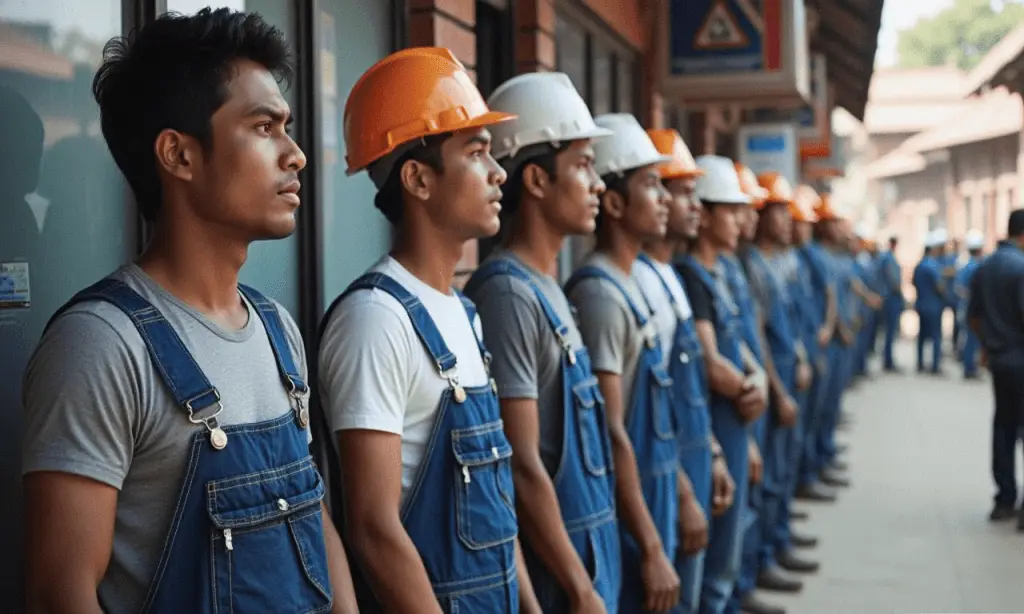
In recent years, the United Kingdom has become a popular destination for migrant workers, particularly those seeking employment in the care sector. The introduction of the UK Care Worker Visa has offered a potential pathway for individuals from countries like Nepal to secure jobs and build a better future for themselves and their families. However, this program has also led to a growing number of tragic stories of exploitation, with many Nepalese workers finding themselves trapped in conditions that resemble modern-day slavery.
This article will explore the challenges faced by Nepalese workers who migrate to the UK under the Care Worker Visa program, shedding light on the exploitation and mistreatment they endure. It will also examine the systemic issues within the UK’s visa system and labor market that contribute to this growing crisis.
The UK Care Worker Visa is part of the country’s effort to address the growing demand for healthcare professionals, particularly in the elderly care sector. With an aging population and a shortage of skilled care workers, the UK government has relied heavily on foreign workers to fill the gap. For workers in countries like Nepal, this visa has offered a chance to migrate for better pay, career advancement, and an opportunity to send remittances back home.
Many Nepalese workers see the UK as a land of opportunity, where they can escape poverty and improve their lives. The process to apply for the visa seems straightforward, with a job offer from a licensed sponsor being the primary requirement. However, once they arrive in the UK, many of these workers quickly find that their experiences do not match the promises made to them during the recruitment process.
While the UK Care Worker Visa was intended to help address labor shortages in the care sector, it has inadvertently created a system ripe for exploitation. Many Nepalese workers, particularly women, fall victim to abusive working conditions that mirror modern-day slavery. The exploitation begins long before they set foot in the UK, as recruitment agencies in Nepal often charge exorbitant fees to secure job placements.
Once in the UK, the workers face a multitude of challenges, including:
One such story is that of Sita, a Nepalese care worker who migrated to the UK in search of a better life. She was promised a good salary, decent working hours, and a safe living environment. However, upon arrival, Sita was placed in a care home where she was forced to work 14-hour days, seven days a week. Her employer confiscated her passport and refused to allow her to leave the care home during her days off. Sita was underpaid, working in hazardous conditions with little to no support.
After months of suffering, Sita managed to escape and seek help from a local migrant support organization. Her story is one of many, and it highlights the systemic issues within the UK’s care sector and immigration system that allow for such exploitation to occur.
Another story involves Prakash, who came to the UK with hopes of improving his family’s financial situation. He was promised a job as a care worker at a reputable facility but found himself trapped in a situation of debt bondage. The recruitment agency had charged him thousands of dollars in fees to secure the job, and once in the UK, Prakash was forced to work in a facility that lacked proper safety standards. His wages were deducted to pay off the recruitment fees, leaving him with little money for personal expenses. Prakash was also subjected to verbal abuse from his employer and was constantly reminded of his visa status, which kept him fearful of speaking out.
The UK government has made efforts to improve conditions for migrant workers, particularly through measures like the introduction of the modern slavery helpline. However, these initiatives have not been enough to protect vulnerable workers from exploitation. The issue is compounded by a lack of effective monitoring and enforcement of labor laws in the care sector, leaving many migrant workers to suffer in silence.
There is also growing concern about the lack of oversight of recruitment agencies in Nepal. Many of these agencies operate with little regulation, often promising workers high-paying jobs in the UK without disclosing the full terms of employment. This has led to a cycle of exploitation where workers are lured into dangerous situations abroad, with little recourse once they arrive.
To combat these issues, advocates have called for stricter regulations on recruitment practices, better support systems for migrant workers in the UK, and improved enforcement of labor laws in the care sector. Only through comprehensive reforms can the exploitation of migrant workers be reduced and their rights safeguarded.
There are several ways in which the international community can help protect migrant workers from exploitation and modern slavery:
The UK Care Worker Visa program has provided opportunities for many Nepalese workers to improve their lives. However, it has also become a trap for countless individuals who fall victim to exploitation and modern-day slavery. By addressing the root causes of this issue, including unethical recruitment practices and weak legal protections, the UK can ensure that migrant workers are treated fairly and with dignity. Until then, it remains crucial to continue highlighting the stories of those affected by this growing crisis and pushing for systemic change.
This article is for informational purposes only and does not constitute legal or professional advice. If you or someone you know is experiencing exploitation or modern slavery, please seek help from a reputable support organization or legal professional. The experiences shared in this article are based on real cases and do not represent the experiences of all migrant workers.
Alexander
|
2025.04.02