Canada is known for its diversity, inclusivity, and welcoming attitude towards immigrants. Every year, thousands of Bangladeshi students move to Canada for higher education, seeking better academic opportunities and a brighter future. However, beneath the surface of Canada’s multicultural reputation, many Bangladeshi students face a harsh reality—subtle and systemic racism that no one openly talks about.
From university campuses to job markets, discrimination manifests in different ways. While some experiences are overt, such as racial slurs or exclusion, much of the racism Bangladeshi students face is hidden in microaggressions, biases, and institutional barriers. This article explores these challenges and sheds light on the racism that Bangladeshi students in Canada often encounter but rarely speak about.
For many Bangladeshi students, Canada represents hope and opportunity. The country offers world-class education, post-graduate work permits, and a clear path to permanent residency. Compared to other Western nations, Canada has more affordable tuition fees and a relatively friendly immigration system, making it a top destination for students from Bangladesh.
Most students arrive with high expectations, believing they will be judged based on merit and hard work. However, reality often proves to be more complex. While many find welcoming communities, others experience a different side of Canada—one that includes racial biases and systemic disadvantages that make it harder to succeed.
Universities in Canada promote themselves as inclusive spaces, but many Bangladeshi students have reported facing racism in classrooms, dormitories, and social interactions. Some of the common issues include:
Bangladeshi students often experience subtle forms of discrimination known as microaggressions. These are everyday verbal or behavioral slights that reinforce stereotypes. Some common examples include:
These seemingly small incidents can accumulate, making students feel unwelcome or less valued in academic environments.
Many Bangladeshi students struggle to integrate into Canadian social circles. They often find that their classmates prefer to stick with their own cultural groups, leaving them feeling isolated. Some report that when they try to join conversations or activities, they are subtly excluded or treated as outsiders.
This social exclusion can lead to loneliness and anxiety, making it harder for international students to build networks that could help them in their academic and professional lives.
Some students report being treated differently by professors and university staff. Whether it’s being questioned more aggressively about academic integrity or being overlooked for research opportunities, these experiences contribute to a feeling of being second-class students.
In some cases, professors may unconsciously favor domestic students, giving them more mentorship and guidance, while international students, particularly those from South Asia, are left to navigate challenges on their own.
One of the biggest challenges Bangladeshi students face in Canada is finding employment. Whether it’s part-time work during studies or full-time jobs after graduation, racism in the job market is a significant issue.
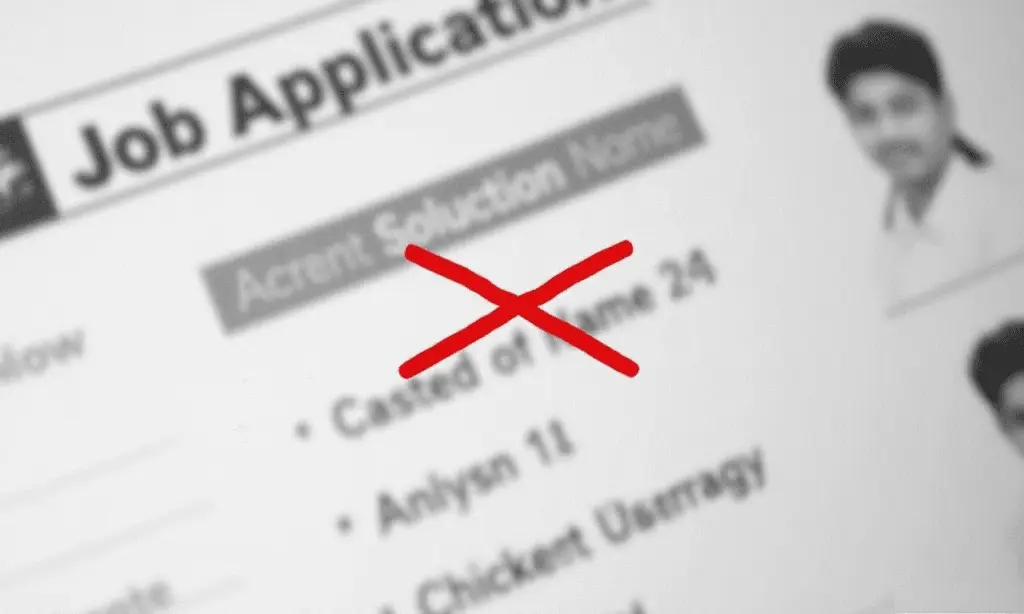
Studies have shown that job applicants with foreign-sounding names receive fewer interview calls than those with Western names, even when they have the same qualifications. Many Bangladeshi students have reported that after changing their names on their resumes to sound more "Canadian," they received more interview invitations.
This practice highlights a disturbing reality—some employers are less willing to hire South Asians, either due to unconscious bias or outright discrimination.
Even highly skilled Bangladeshi students face rejection because they lack “Canadian work experience.” Employers often use this as a reason to deny opportunities, even when the candidate has relevant experience from Bangladesh or other countries.
This puts international students in a difficult position—without Canadian experience, they can’t get a job, and without a job, they can’t gain Canadian experience. It becomes a vicious cycle that leaves many struggling to find employment despite having strong qualifications.
Even after securing a job, some Bangladeshi students and graduates experience discrimination at work. This can take the form of:
Such experiences can make workplaces feel unwelcoming and push many Bangladeshi graduates to consider leaving Canada after completing their studies.
Another major issue Bangladeshi students face is discrimination in housing. Many landlords are hesitant to rent apartments to South Asian students, citing reasons like "too many people in one unit" or "cultural differences."
Some students report that when they inquire about a rental, landlords seem interested. However, as soon as they visit in person and the landlord sees they are South Asian, the unit is suddenly "no longer available."
This makes it much harder for Bangladeshi students to find safe and affordable housing, adding another layer of stress to their lives in Canada.
Facing discrimination and exclusion can have severe effects on mental health. Many Bangladeshi students suffer from:
Unfortunately, mental health support is not always easily accessible. The stigma around mental health in South Asian cultures also prevents some students from seeking help.
While racism in Canada is a serious issue, there are ways to address it:
The first step is to talk about these issues openly. Many Bangladeshi students suffer in silence, thinking their experiences are unique. By sharing stories and raising awareness, students can find support and solidarity.
Building strong community networks can help students navigate challenges. Many Bangladeshi student associations offer guidance, career support, and mental health resources.
If students face discrimination, they should report it. Universities have offices dedicated to handling racial discrimination cases. Human rights organizations in Canada can also provide legal support.
Stronger policies are needed to address name-based discrimination in hiring and bias in universities. Advocacy groups should continue to push for reforms that create a more level playing field for international students.
While Canada offers great opportunities for Bangladeshi students, the reality is that many still face racism, exclusion, and systemic barriers. These challenges are often overlooked or ignored in mainstream discussions about diversity and inclusion.
It is time to acknowledge and address these issues. By raising awareness, building support systems, and advocating for policy changes, Bangladeshi students in Canada can fight for a more equal and inclusive future.
This article is for informational purposes only and does not intend to generalize all experiences. While many Bangladeshi students thrive in Canada, others face challenges that need to be addressed. The content aims to raise awareness and encourage positive change.
Sophia
|
2025.04.07