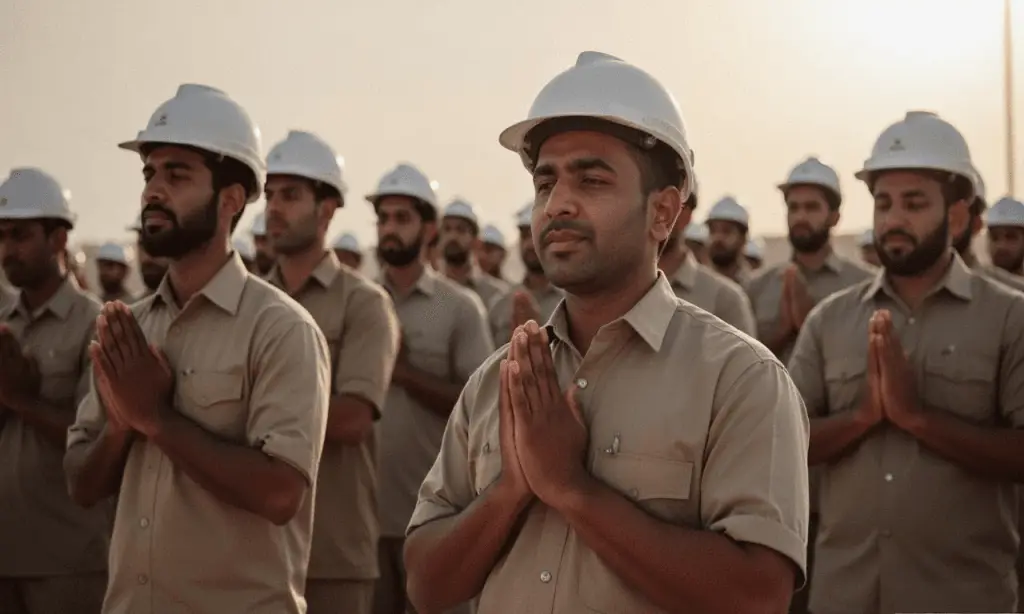
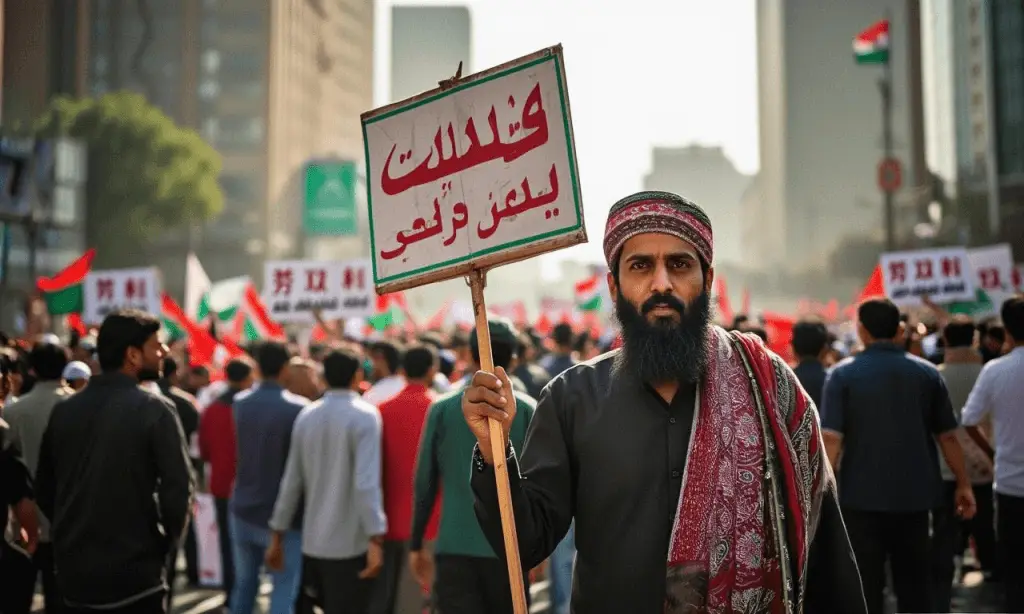
In recent years, Qatar has become a major destination for migrant workers from various countries, including Pakistan. These workers take on jobs in construction, hospitality, security, and domestic services, helping to build Qatar’s infrastructure and economy. However, many of them face difficult working conditions, long hours, and challenges related to religious practices. Recently, reports have emerged about Pakistani workers in Qatar being fired for praying during work hours, raising serious concerns about labor rights and religious freedom in the country.
This article explores the situation, the reasons behind these dismissals, and the legal and ethical implications of such workplace restrictions.
Pakistani workers form a significant portion of Qatar’s migrant labor force. According to estimates, over 200,000 Pakistanis work in Qatar, particularly in construction and service industries. Many of them leave their home country in search of better financial opportunities, often supporting entire families back in Pakistan through remittances.
However, working conditions in Qatar have long been a topic of concern. Despite improvements in labor laws, many workers continue to face harsh conditions, including long working hours, delayed salaries, and restrictions on personal freedoms.
For many of these workers, religious practices such as daily prayers (Salah) are an essential part of their lives. Islam requires Muslims to pray five times a day at specific times, and missing these prayers is seen as a significant religious omission.
Recent reports indicate that some Pakistani and other Muslim workers in Qatar have been dismissed from their jobs for praying during work hours. In some cases, workers were told that they must prioritize their job duties over religious obligations.
Qatar’s labor laws guarantee freedom of religion and the right to practice faith. However, these rights must be balanced with employer expectations and work obligations.
While workers can file complaints with labor courts, many hesitate to do so due to fear of losing their jobs permanently or facing difficulties in securing future employment.
The dismissal of workers for practicing their religion raises concerns about workers’ rights and religious freedom. According to the United Nations Universal Declaration of Human Rights (Article 18), every person has the right to practice their religion freely, which includes performing prayers.
Similarly, the International Labour Organization (ILO) encourages fair treatment of workers, including respect for religious practices. Qatar, as a member of the ILO, has made reforms to improve labor conditions, but cases like these suggest that there is still work to be done.
For many Pakistani workers who have lost their jobs due to prayer-related issues, the consequences are severe:
In response to these dismissals, many workers and activists have called for greater protection of religious rights in the workplace. Some have taken to social media to raise awareness, while others have contacted Pakistani embassy officials for assistance.
To ensure that workers do not have to choose between their jobs and their religious obligations, the following measures could be implemented:
Companies should establish transparent guidelines that allow workers to take short prayer breaks without disrupting work productivity. A flexible approach can ensure both employer and employee needs are met.
Employers can set up designated prayer spaces within workplaces, allowing workers to pray without affecting their job performance. This practice is already common in many multinational companies that promote religious inclusion.
The Qatari government can introduce clearer labor laws that explicitly protect workers' rights to pray. Strengthening existing regulations can prevent unfair dismissals in the future.
Many of these conflicts arise due to a lack of communication between workers and their employers. Awareness programs and cultural training can help managers understand the importance of religious practices for their employees.
The Pakistani government and embassy in Qatar should take an active role in addressing these issues. By advocating for workers' rights and negotiating with Qatari authorities, they can help protect their citizens from unfair treatment.
The recent reports of Pakistani workers being fired in Qatar for praying highlight a serious issue regarding workers’ rights and religious freedom. While companies have legitimate productivity concerns, they must also respect the religious practices of their employees.
By implementing flexible workplace policies, providing prayer spaces, and improving legal protections, both employers and employees can coexist in a more respectful and inclusive environment.
For now, affected workers continue to seek justice and hope for greater awareness of their struggles. The global community, labor organizations, and governments must work together to ensure that migrant workers are treated with the dignity and respect they deserve.
This article is for informational purposes only and does not constitute legal or professional advice. The situation described is based on media reports and worker testimonies. Readers are encouraged to verify facts independently and seek legal guidance if necessary.
Olivia
|
2025.04.07