
Bangladeshi Garment Workers in Jordan: The Union Struggle
In recent years, thousands of Bangladeshi garment workers have migrated to Jordan, seeking better wages and working conditions in the booming textile industry. While Jordan’s garment sector has provided employment opportunities, it has also exposed workers to long hours, low wages, and difficult working conditions. The fight for labor rights and union representation has been a major challenge for these workers, many of whom struggle to secure fair treatment in their workplaces.
This article explores the conditions faced by Bangladeshi garment workers in Jordan, their attempts to unionize, and the ongoing struggle for labor rights.
The Rise of Bangladeshi Garment Workers in Jordan
Jordan’s garment industry has grown rapidly over the past two decades, driven by exports to the United States under the U.S.-Jordan Free Trade Agreement. To meet rising labor demands, factories have increasingly recruited migrant workers, particularly from Bangladesh, Sri Lanka, and Nepal.
Bangladeshi workers make up a significant portion of Jordan’s garment workforce. They are drawn to Jordan by promises of better wages compared to what they would earn in Bangladesh’s garment sector. However, many find themselves facing harsh realities, including excessive working hours, low wages, and limited labor rights.
Challenges Faced by Bangladeshi Garment Workers
Despite Jordan’s efforts to regulate labor conditions, many Bangladeshi garment workers continue to experience exploitation. Some of the key challenges include:
1. Long Working Hours and Low Wages
Most Bangladeshi garment workers in Jordan work between 10 to 12 hours a day, often with little or no overtime pay. While the legal minimum wage in Jordan is higher than in Bangladesh, many workers find that deductions for food, housing, and other expenses significantly reduce their take-home pay.
2. Poor Living Conditions
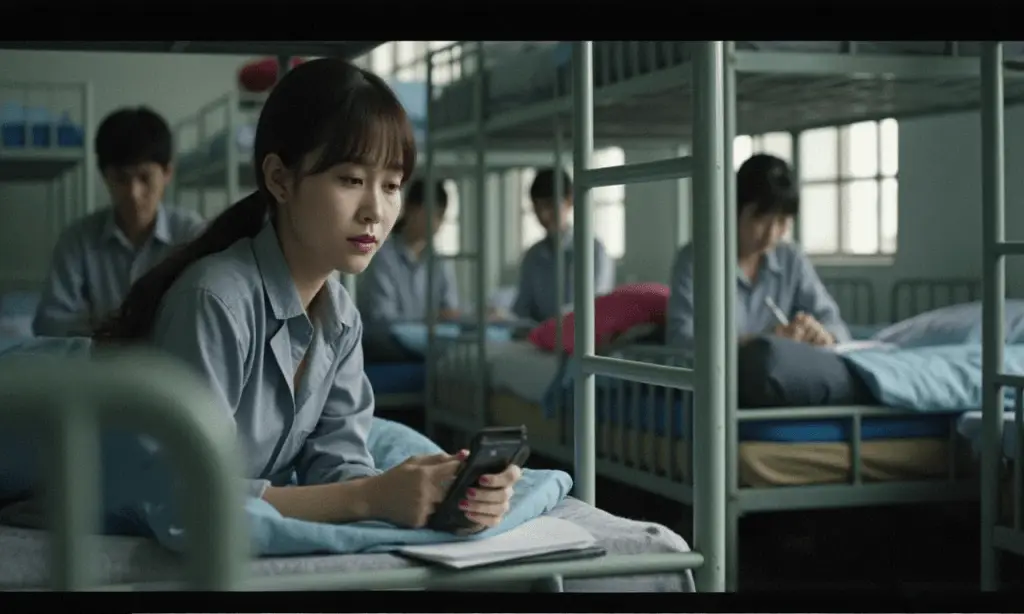
Many garment workers live in factory-provided dormitories, which are often overcrowded and lack proper facilities. Complaints of inadequate sanitation, lack of privacy, and poor food quality are common. Workers who protest these conditions often face threats from their employers.
3. Restrictions on Mobility and Communication
Some garment factories impose strict rules on migrant workers, limiting their ability to leave factory premises or communicate with outsiders. This isolation makes it difficult for workers to seek help or report labor abuses.
4. Workplace Harassment and Abuse
Verbal and physical abuse by supervisors has been reported in some factories. Women, who make up a large portion of the garment workforce, are particularly vulnerable to harassment and gender-based discrimination.
The Struggle for Union Representation
In many parts of the world, labor unions play a crucial role in advocating for workers' rights. However, Bangladeshi garment workers in Jordan face numerous barriers when attempting to form or join unions.
1. Employers’ Resistance to Unions
Factory owners and management often view unions as a threat to productivity and profit. In some cases, workers who attempt to organize are harassed, threatened, or even fired.
2. Fear Among Workers
Many Bangladeshi workers fear retaliation if they support union activities. Since their work permits are tied to their employers, losing a job can mean deportation. This fear prevents many from speaking out against unfair treatment.
3. Legal and Bureaucratic Challenges
While Jordanian labor law allows migrant workers to join unions, bureaucratic hurdles make it difficult for them to participate fully. Language barriers and a lack of awareness about their rights also hinder efforts to unionize.
Efforts to Improve Labor Rights
Despite these challenges, there have been efforts to improve conditions for Bangladeshi garment workers in Jordan.
1. Support from International Organizations
Organizations such as the International Labour Organization (ILO) and Human Rights Watch have pushed for better labor protections in Jordan’s garment industry. Their reports and advocacy efforts have highlighted worker exploitation and pressured authorities to take action.
2. Government Reforms and Regulations
The Jordanian government has introduced reforms aimed at improving conditions for migrant workers, including stronger labor inspections and wage protection measures. However, enforcement remains inconsistent, and many workers still struggle to claim their rights.
3. Worker-Led Protests and Collective Action
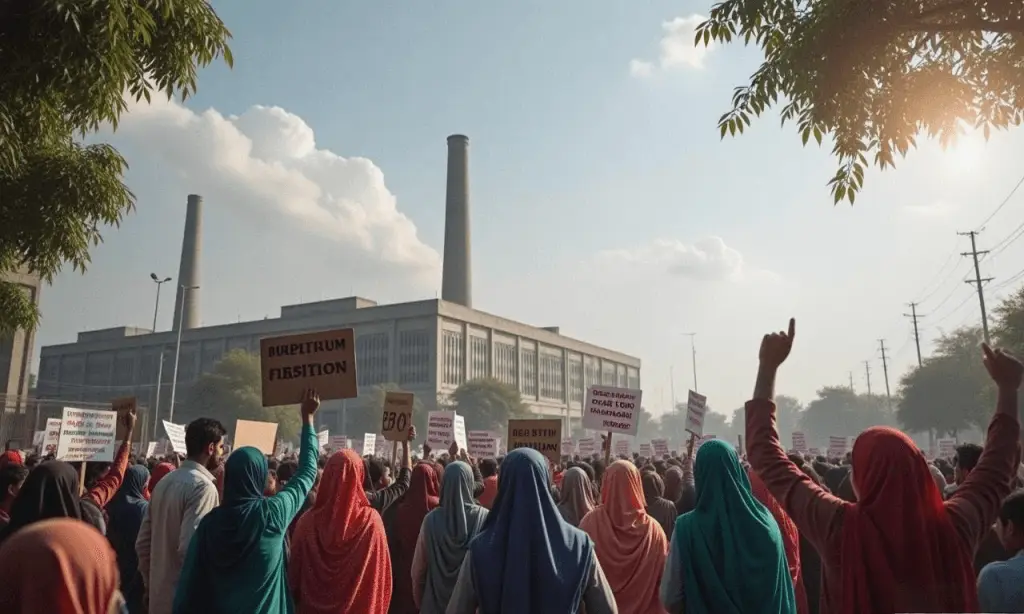
In recent years, some Bangladeshi garment workers have organized protests and strikes to demand better wages and conditions. While these actions have led to some improvements, they have also resulted in crackdowns from factory owners and authorities.
How the Global Fashion Industry Impacts Workers
The struggles of Bangladeshi garment workers in Jordan are closely linked to global supply chains. Many of the garments produced in Jordanian factories are exported to major brands in the U.S. and Europe.
Fashion brands have a responsibility to ensure ethical labor practices in their supply chains. Some companies have pledged to improve working conditions in their supplier factories, but progress has been slow. Consumers also play a role by supporting ethical brands and demanding transparency from clothing manufacturers.
The Road Ahead: What Can Be Done?
While progress has been made, much work remains to ensure fair treatment for Bangladeshi garment workers in Jordan. Here are some steps that can help:
1. Strengthening Labor Unions
Efforts should be made to support union activities and protect workers from retaliation. This includes legal reforms that provide stronger protections for migrant workers who join unions.
2. Improved Oversight and Enforcement
The Jordanian government needs to enhance labor inspections and enforce wage laws more strictly. Employers who violate labor rights should face penalties.
3. Brand Accountability
Global fashion brands sourcing from Jordan should conduct independent audits and commit to fair labor practices. They should ensure that their suppliers adhere to ethical labor standards.
4. Worker Education and Empowerment
Providing Bangladeshi garment workers with knowledge about their rights and available support systems can empower them to fight for better conditions. NGOs and advocacy groups can play a key role in this effort.
Conclusion
Bangladeshi garment workers in Jordan have contributed significantly to the country’s textile industry, but they continue to face harsh working conditions and obstacles to unionizing. The fight for labor rights is ongoing, and progress depends on the combined efforts of workers, unions, international organizations, and ethical fashion brands.
Ensuring that these workers receive fair wages, safe working environments, and the freedom to organize is not just a local issue—it’s a global responsibility.
Disclaimer:
This article is for informational purposes only. The situations described are based on available reports and worker testimonials. Readers are encouraged to conduct further research and verify details from authoritative sources.


