Life at sea is demanding, and for Bangladeshi ship crews working on international waters, health concerns can become serious challenges. Unlike workers on land, who can visit a doctor whenever needed, sailors often have limited medical access while onboard. But what happens when a crew member falls sick or gets injured in the middle of the ocean?
In this article, we explore the health risks faced by Bangladeshi ship crews, the medical facilities available on ships, emergency procedures, and what sailors can do to protect themselves.
Health Risks Faced by Ship Crews
Sailing on the open seas exposes ship crews to various health risks. These include:
Most commercial ships have basic medical facilities, but these are nowhere near the standard of a hospital. The medical resources available on board usually include:
However, the effectiveness of onboard medical care depends on the ship’s size, its company policies, and the distance from the nearest port.
The response to a medical emergency at sea depends on the severity of the illness or injury. Here’s how it typically works:
If a crew member falls sick, they first receive care from the onboard medical officer (if available) or the captain. Basic medicines, pain relief, or wound care are provided, but if the condition worsens, further steps must be taken.
Many ships have access to telemedicine services, allowing them to consult doctors remotely. The ship’s captain or medical officer describes the symptoms, and the doctor advises on treatment. This can include recommending medication, diet changes, or monitoring symptoms.
If the condition is serious and cannot be treated onboard, the captain may decide to divert the ship to the nearest port where proper medical facilities are available. However, this decision depends on factors such as weather conditions, ship schedule, and company policies.
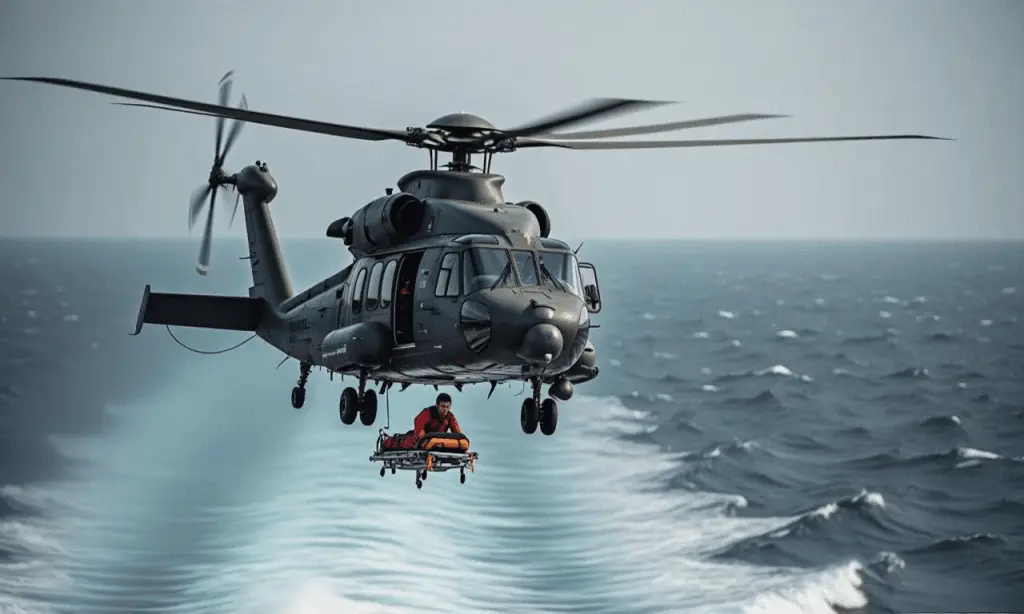
For life-threatening situations, a medical evacuation (medevac) may be arranged. This usually involves a rescue helicopter or a speedboat from a nearby country or coast guard. However, evacuations are expensive and depend on the ship’s location and weather conditions.
Once at port, the crew member can seek proper medical treatment. Some countries offer free or subsidized medical care for sailors, but in other cases, the shipping company or insurance may cover the costs.
Despite the procedures in place, getting medical care at sea is not always easy. Some of the challenges faced by sick sailors include:
To reduce health risks at sea, Bangladeshi sailors should take preventive measures, including:
To better understand what happens when a sailor falls sick, let’s look at a real-life case.
In 2022, a Bangladeshi crew member on a cargo ship in the Indian Ocean developed severe abdominal pain. The onboard medical officer provided painkillers, but his condition worsened. After consulting a doctor via satellite, it was suspected that he had appendicitis.
Since the nearest port was over 48 hours away, the company arranged for a helicopter evacuation. The sailor was airlifted to a hospital in Sri Lanka, where he underwent emergency surgery. Fortunately, he made a full recovery, but the situation highlighted the importance of quick decision-making and emergency planning.
Falling sick at sea is a serious issue, but Bangladeshi ship crews can take steps to protect their health. While onboard medical facilities are limited, telemedicine and emergency evacuations help manage critical cases. However, prevention remains the best strategy—by staying healthy, following safety guidelines, and reporting illnesses early, sailors can reduce the risks of medical emergencies at sea.
This article is for informational purposes only and does not constitute medical or legal advice. While every effort has been made to provide accurate information, readers should consult a medical professional or maritime authority for guidance on health-related matters at sea.
Ethan
|
2025.04.07