
Filipino Teachers in China: The 'No English' Rule Shock
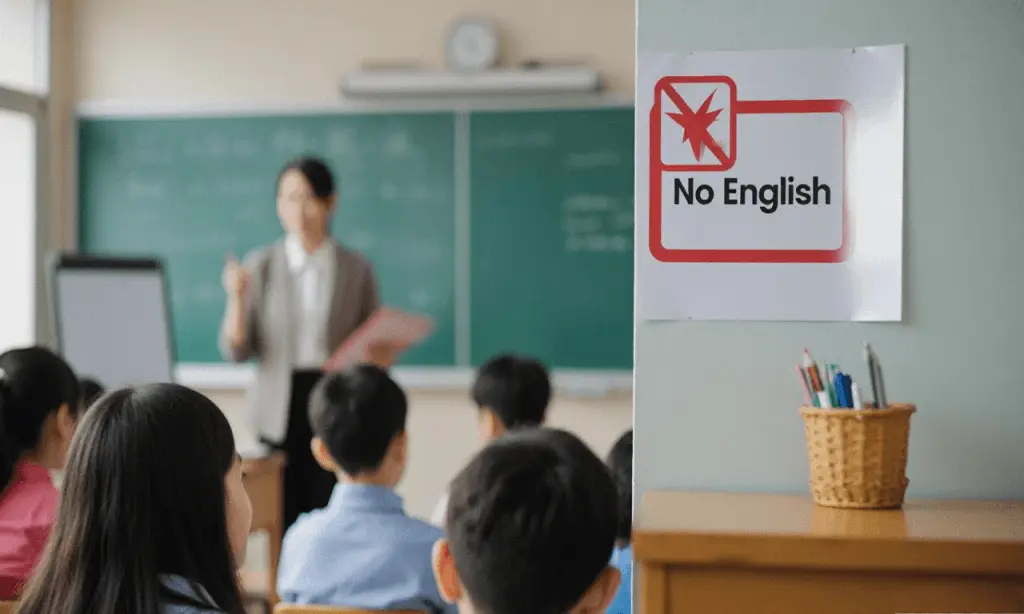
The demand for English teachers in China has surged in recent years, attracting thousands of foreign educators, including many from the Philippines. Filipino teachers are often preferred for their fluency in English, affordability compared to Western teachers, and cultural adaptability. However, some Filipino teachers in China have faced a surprising challenge—the "No English" rule in certain schools and classrooms.
This unexpected restriction has left many Filipino educators struggling to adapt. Why would a school hire a native English-speaking teacher and then prohibit them from speaking English? This article explores the reasoning behind this rule, the impact on teachers and students, and how Filipino educators are navigating this surprising situation.

Why Does the 'No English' Rule Exist?
Many Filipino teachers arrive in China expecting to use their English proficiency to teach young learners. However, some schools, particularly in smaller cities or government-run institutions, enforce a strict "No English" policy. The reasons for this rule include:
1. Government Policy on Language Learning
The Chinese government has emphasized the importance of preserving and promoting Mandarin as the primary language. In some regions, authorities have set limitations on the amount of English that can be used in schools to ensure that students do not neglect their native language.
2. Immersion-Based Learning Approach
Some schools follow an immersion-based learning strategy where English is introduced gradually. In early learning stages, students may be required to first develop a strong foundation in Mandarin before being exposed to English. Schools believe that restricting English in the classroom helps prevent confusion and enhances students' comprehension of their native language.
3. Fear of Widening the Education Gap
In rural areas, students often have limited exposure to English, while urban students in international schools have access to high-quality English education. Some schools implement the "No English" rule to create a more level playing field and prevent rural students from feeling left behind.
4. Misconceptions About Effective Learning
Some Chinese school administrators believe that students must first master their native language before learning a second one. This belief has led to policies where foreign teachers are expected to follow a bilingual or Chinese-first approach, even if it contradicts modern language acquisition research.
The Challenges for Filipino Teachers
The "No English" rule has created several difficulties for Filipino teachers working in China.
1. Limited Teaching Methods
Filipino teachers, who were hired specifically for their English proficiency, often struggle to teach effectively when they are not allowed to use English. Many have to rely on body language, visual aids, and basic Mandarin to communicate with students.
2. Language Barrier
Most Filipino teachers do not speak Mandarin fluently when they arrive in China. Schools that enforce the "No English" rule expect teachers to use Mandarin instead, which can be extremely challenging for those who have not undergone language training.
3. Frustration and Cultural Adjustment
Teachers who were promised an English teaching role often feel frustrated when they discover they cannot use their native language. Some even experience culture shock as they try to navigate unfamiliar teaching methods.
4. Pressure to Learn Mandarin Quickly
Since Filipino teachers need to use Mandarin in the classroom, they are often pressured to learn the language quickly. Some schools provide basic language training, while others leave teachers to figure it out on their own.
How Filipino Teachers Are Adapting
Despite these challenges, Filipino teachers have found creative ways to overcome the restrictions and continue providing quality education.
1. Learning Mandarin Basics
Many teachers take Mandarin lessons in their free time to improve their communication skills. Learning key classroom phrases helps them engage with students and follow school policies more effectively.
2. Using Visual and Interactive Teaching Techniques
Teachers rely on pictures, gestures, and interactive games to teach English without actually speaking it. This method aligns with the natural approach to language learning, where students learn through context and association rather than direct translation.
3. Encouraging Peer Learning
Some Filipino teachers use peer learning strategies by assigning stronger students to assist their classmates. This allows students to practice English while still following the school’s language policy.
4. Negotiating with Schools
In some cases, teachers have successfully negotiated a compromise with school administrators. For example, they may be allowed to use English for a limited time each day or during specific activities.
The Impact on Students
The "No English" rule also affects students in various ways.
1. Slower English Language Development
Since students are not fully immersed in English, their language development may be slower compared to those in fully English-speaking environments.
2. Increased Dependence on Translations
Many students rely on Chinese translations instead of developing the ability to think in English. This can hinder fluency and make it harder for them to use English naturally.
3. Improved Confidence in Mandarin
On the positive side, the rule helps students strengthen their Mandarin skills. This is beneficial for those who need a strong foundation in their native language before learning English.
Should Filipino Teachers Accept Jobs in 'No English' Schools?
Before accepting a teaching position in China, Filipino teachers should carefully research school policies. Here are a few key factors to consider:
- Ask About Language Policies Before Signing a Contract – If a school has a "No English" rule, teachers should clarify how strictly it is enforced.
- Consider the Location – Schools in major cities like Beijing, Shanghai, and Guangzhou tend to have more flexible language policies than those in rural areas.
- Evaluate the School's Teaching Approach – Some schools use bilingual education methods that allow a gradual transition into English, while others enforce complete Mandarin-only instruction.
- Assess Personal Language Skills – Teachers who are willing to learn Mandarin may find these schools less challenging, while those who prefer an English-speaking environment may struggle.
Conclusion
The "No English" rule has been a surprising and sometimes frustrating experience for many Filipino teachers in China. While it presents challenges, teachers who are adaptable and willing to learn Mandarin can still thrive in these environments. By using creative teaching strategies and negotiating with schools, Filipino educators continue to provide valuable language education to Chinese students.
For those considering teaching in China, understanding school policies and being prepared for potential language restrictions can make all the difference in ensuring a successful and fulfilling experience.
Disclaimer:
This article is for informational purposes only and does not represent the views of all schools or Filipino teachers in China. Policies may vary by institution, and teachers should conduct their own research before accepting a job.
Taylor
|
2025.04.07


