
Halal Food in Tokyo: The Underground Muslim Grocery Network
Tokyo, a bustling metropolis known for its neon lights, high-tech innovations, and rich culture, has also become a home for an increasing number of Muslim residents and travelers. However, one challenge that many face in Japan is finding halal food. While halal-certified restaurants and supermarkets exist, they are not always conveniently located or affordable. As a result, a unique underground network has emerged—one where Muslim communities support each other by sourcing and distributing halal food through informal channels.
In this article, we explore how this underground halal grocery network operates, how it benefits the Muslim community in Tokyo, and what visitors can do to access it.
The Growing Muslim Community in Tokyo
Over the past decade, Japan has seen a rise in its Muslim population due to an increase in foreign students, expatriates, and tourists. While the country remains predominantly non-Muslim, Tokyo has adapted to cater to the needs of its growing Muslim community. Halal restaurants, prayer spaces, and even halal-certified products in major supermarkets have become more common.
Despite these advancements, many Muslims in Tokyo still struggle to find a reliable supply of halal groceries. The issue is not just about food availability but also affordability and convenience. This gap in the market has led to the emergence of informal networks where individuals help each other access halal products through alternative means.
How the Underground Halal Grocery Network Works
The underground halal grocery network in Tokyo is not an organized business but rather a grassroots movement fueled by community members. It operates through personal connections, online groups, and social media platforms like Facebook and WhatsApp. Here’s how it works:
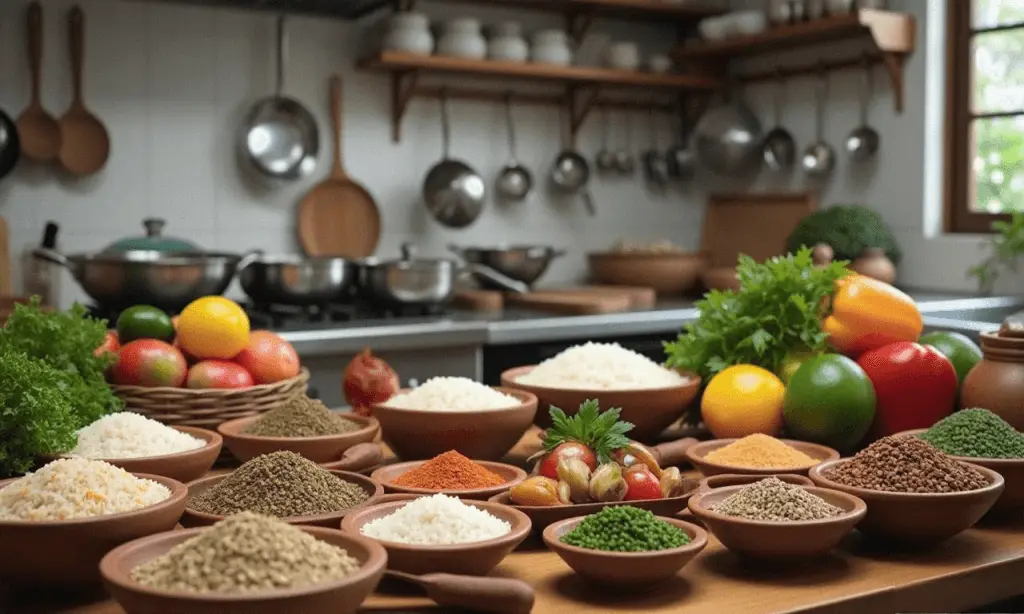
- Community-Based Imports: Many Muslim residents who frequently travel between Japan and their home countries bring back halal food products in bulk. These include frozen meats, spices, snacks, and even homemade dishes.
- Word of Mouth & Social Media: Once someone has a stock of halal goods, they inform their friends and neighbors through word of mouth or online community groups. Some even create small businesses by selling these products at affordable prices.
- Bulk Orders from International Markets: Some groups coordinate bulk purchases from halal suppliers overseas, especially from Malaysia, Indonesia, and the Middle East. By pooling money together, they can import large quantities of halal meat and distribute it among community members.
- Underground Halal Markets: In some cases, informal markets or pop-up stalls are set up in mosques, community centers, or private homes. These gatherings allow people to buy halal groceries directly from trusted sources.
- Shared Cooking & Meal Prep Services: Some individuals offer meal prep services for fellow Muslims who don’t have time to cook. They prepare and deliver halal meals using ingredients sourced from the underground network.
Where to Find Underground Halal Groceries in Tokyo
If you’re a Muslim resident or visitor in Tokyo looking for halal groceries beyond mainstream supermarkets, here are some ways to tap into this underground network:
- Join Local Muslim Facebook Groups: Many halal food sources are shared in private groups where members post about available products and upcoming orders.
- Visit Mosques & Islamic Centers: Tokyo’s mosques, such as Tokyo Camii and As-Salaam Masjid, often serve as information hubs for halal food distribution.
- Attend Community Gatherings: Muslim students and expatriates frequently organize food-sharing events where people can buy and exchange halal groceries.
- Connect with Halal Home Cooks: Some individuals offer homemade halal meals, which can be a great alternative to restaurant dining.
Why the Underground Network is Important
The underground halal grocery network in Tokyo is not just about food; it represents a sense of community, cultural preservation, and religious practice. Here’s why it matters:
1. Accessibility
Mainstream supermarkets in Tokyo may sell halal products, but they are often expensive or limited in variety. The underground network provides an alternative that is both convenient and affordable.
2. Cultural Connection
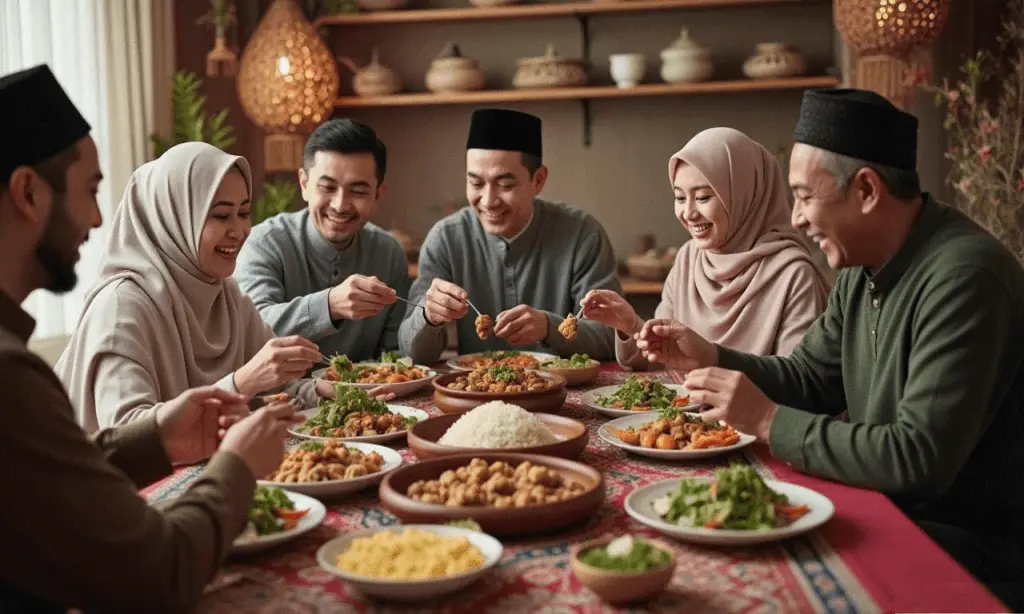
For many Muslim residents, food is a connection to their home countries. The ability to access traditional halal ingredients allows them to maintain their culinary traditions and share them with their families.
3. Religious Adherence
For practicing Muslims, consuming halal food is not just a preference but a religious obligation. Having a trusted source of halal groceries ensures they can follow their dietary laws without compromise.
4. Economic Support
Many individuals who participate in the underground network are not just consumers but also small-scale entrepreneurs. By buying from fellow Muslims, they help sustain local businesses within their own community.
Challenges & Risks of the Underground Halal Network
While the underground halal grocery network is beneficial, it also comes with certain risks and challenges:
- Legal & Regulatory Issues: Importing and selling food products informally can sometimes violate Japanese customs regulations. Buyers and sellers need to be aware of the legal implications.
- Quality Control & Food Safety: Since these products are not always sourced through formal retailers, there is no guarantee of food safety and hygiene. Consumers must be cautious and buy from trusted sources.
- Limited Supply & Availability: Unlike established halal supermarkets, underground sources may not always have a consistent supply of products.
The Future of Halal Food in Tokyo
The demand for halal food in Tokyo is growing, and while the underground network serves as a temporary solution, there is hope for a more formalized approach in the future.
- Increased Halal Certification: More supermarkets and restaurants are seeking halal certification to cater to the rising demand.
- Expansion of Halal Food Chains: Some major brands, such as FamilyMart and Don Quijote, are beginning to stock halal products.
- Community Initiatives & Partnerships: Local Muslim communities are working with Japanese businesses to establish more permanent halal food distribution channels.
As Tokyo continues to evolve, the availability of halal food will likely improve, but for now, the underground network remains a vital resource for the city’s Muslim residents and visitors.
Conclusion
The underground halal grocery network in Tokyo is a testament to the resilience and solidarity of the Muslim community. Through informal yet effective methods, they have created a system that ensures access to halal food, supports small businesses, and strengthens cultural ties.
For visitors to Tokyo, tapping into this network can provide an authentic and affordable way to enjoy halal meals beyond restaurants. However, as with any underground system, it’s important to stay informed, be cautious, and support initiatives that promote long-term halal food accessibility in Japan.
Disclaimer:
This article is for informational purposes only. The underground halal grocery network operates informally, and participation comes with potential legal and safety risks. Readers are advised to conduct their own research and exercise discretion when sourcing halal food.


