In recent years, thousands of Nepali farm workers have traveled to Israel in search of better wages and job opportunities. These workers play a crucial role in Israel’s agricultural sector, working long hours on farms and greenhouses to support their families back home. However, their lives in Israel are not just about farming. Due to the ongoing geopolitical tensions in the region, Nepali farm workers must also be prepared for emergency situations, including missile attacks. One of the most crucial safety measures they undergo is bomb shelter drills.
In this article, we will explore why these drills are necessary, how they are conducted, and what challenges Nepali workers face while adjusting to life in a conflict-prone region.
Why Are Bomb Shelter Drills Necessary?
Israel has faced security threats for decades, with periodic rocket attacks from militant groups in neighboring regions. While major cities like Tel Aviv and Jerusalem are well-protected by advanced defense systems, rural areas, where many Nepali farm workers are employed, often have less protection.
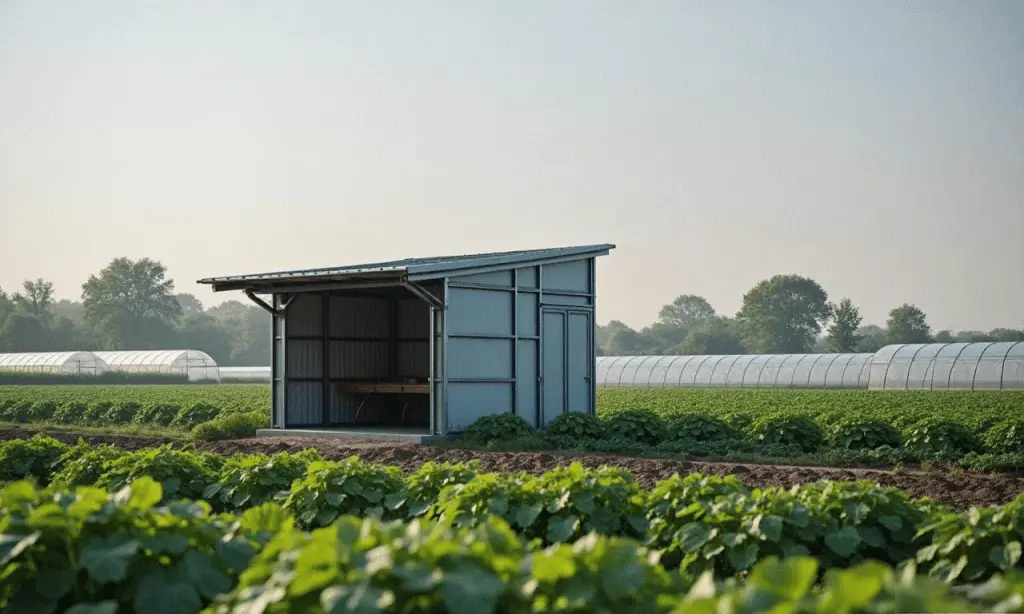
Most farms in Israel are located in open fields or near border regions, making them vulnerable to attacks. To ensure the safety of all workers, including foreign laborers, the Israeli government requires farms to have bomb shelters and conduct regular drills. These drills help workers familiarize themselves with emergency protocols and improve their chances of staying safe during an attack.
How Do Bomb Shelter Drills Work?
Bomb shelter drills are typically organized by farm owners in coordination with local authorities. Here’s what a typical drill looks like:
- Warning SirenIsrael has an advanced alarm system that detects incoming rockets. When a threat is detected, sirens sound across affected areas, giving people a short window (sometimes as little as 15 seconds) to find shelter. During drills, these sirens are activated to simulate a real emergency.
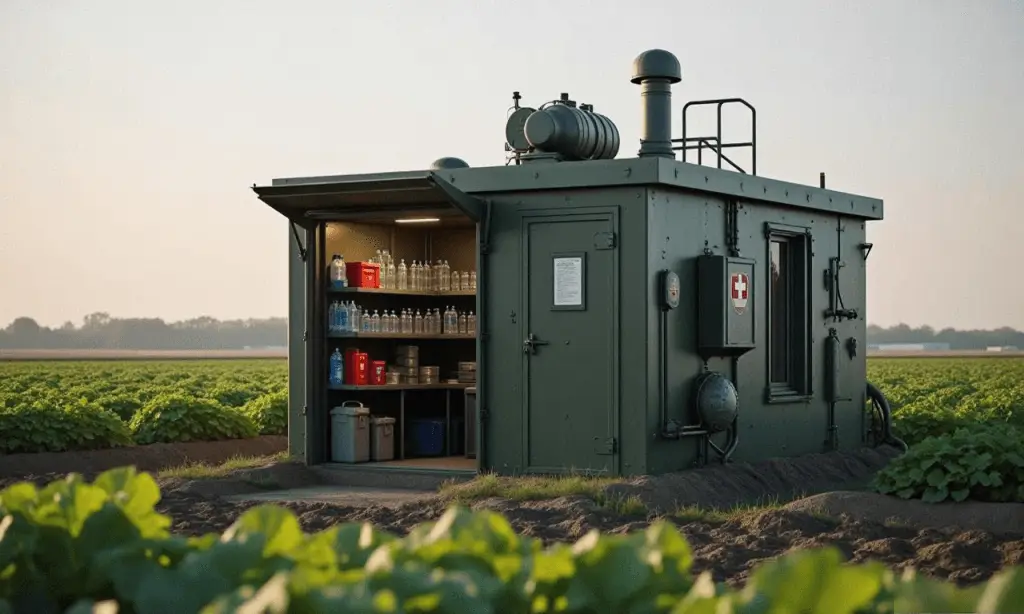
- Rushing to the ShelterOnce the siren goes off, all farm workers must immediately stop their tasks and run to the nearest bomb shelter. These shelters are reinforced structures designed to withstand explosions. Some farms have dedicated underground bunkers, while others use modified storage rooms.
- Locking DownAfter entering the shelter, the doors are securely closed, and everyone waits for further instructions. In real emergencies, workers stay inside until they receive an official "all clear" signal from the authorities.
- Checking Attendance and ReadinessDuring the drill, supervisors take attendance to ensure no one is left behind. They also check if workers have essential emergency supplies, such as water, first aid kits, and mobile phones.
- Post-Drill ReviewOnce the drill is completed, farm managers discuss what went well and what needs improvement. Workers receive feedback on their response time and are encouraged to ask questions about safety procedures.
Challenges Faced by Nepali Farm Workers
While bomb shelter drills are meant to improve safety, they can also be stressful and difficult for Nepali farm workers, many of whom have never experienced such situations before.
- Language BarriersMost emergency instructions are given in Hebrew or English, which can be difficult for Nepali workers to understand. Some farms provide translated guidelines, but in high-stress situations, the language barrier can still cause confusion.
- Psychological StressLiving in an area with frequent rocket threats can take a toll on mental health. Some workers struggle with anxiety, especially after experiencing real missile attacks. The sudden sound of sirens can be frightening, and drills often bring back memories of past emergencies.
- Difficulties in Adapting to the Drill RoutineIn Nepal, there is no experience of missile attacks, so many workers find it hard to adjust to this new reality. Running for shelter in the middle of work can feel unnatural and disruptive. Over time, however, they learn to react quickly and follow safety protocols.
Real-Life Experiences from Nepali Workers
Many Nepali farm workers in Israel have shared their experiences of bomb shelter drills and real emergencies.
- Suman, 28, a farm worker in southern Israel, recalls his first drill:"When I first heard the siren, I didn't know what was happening. My supervisor shouted for us to run, and we rushed into a small shelter. It was confusing, but after a few drills, I got used to it."
- Mina, 32, a greenhouse worker, describes the emotional impact:"The sirens make my heart race. Even when it's just a drill, I feel scared. But I remind myself that these exercises are for our safety."
- Kiran, 26, who has been in Israel for three years, explains the importance of staying alert:"At first, I thought drills were unnecessary. But after experiencing a real missile attack, I realized how important they are. The drills helped me react quickly and stay safe."
How Can Nepali Workers Stay Safe?
While bomb shelter drills prepare workers for emergencies, there are additional steps they can take to enhance their safety:
- Always Be Aware of Shelter LocationsWorkers should familiarize themselves with the nearest shelters and have a plan in place for reaching them quickly.
- Follow Instructions from SupervisorsIn case of an emergency, following the guidance of experienced supervisors can be life-saving.
- Stay Updated on Security AlertsMany workers rely on their mobile phones for news and alerts. Using apps that provide real-time security updates can be helpful.
- Support Each OtherSince many Nepali workers live in shared accommodations, they should look out for each other and make sure everyone understands the drill procedures.
Conclusion
Nepali farm workers in Israel contribute significantly to the country’s agricultural sector, but their work comes with unique challenges, including the need for bomb shelter drills. These drills, while stressful, play a crucial role in ensuring their safety. By participating in regular drills, learning emergency procedures, and staying alert, Nepali workers can protect themselves from potential dangers.
While life in Israel presents risks, it also offers opportunities for financial stability and growth. With proper training and support, Nepali farm workers can adapt to their new environment and continue their work with greater confidence.
Disclaimer
This article is for informational purposes only and does not constitute professional safety or security advice. The content is based on general research and real-life accounts but may not reflect every worker’s experience. Readers should seek guidance from official sources for specific emergency protocols.


