New York City is a melting pot of cultures, with diverse communities bringing their traditions, beliefs, and architectural wonders to this urban landscape. Among the lesser-known cultural gems of the city are Nepali temples—hidden sanctuaries that offer a slice of Himalayan spirituality in the heart of America. These temples serve as places of worship, cultural hubs, and community centers for the Nepali diaspora while welcoming visitors who wish to explore the rich traditions of Nepal.
From intricate wood carvings reminiscent of Kathmandu Valley to prayer flags fluttering in the wind, these sacred spaces provide an oasis of tranquility amidst the city's chaos. In this article, we will explore the Nepali temples in New York, their significance, and the cultural experiences they offer to both Nepalese immigrants and curious visitors.
New York is home to a significant Nepali population, primarily concentrated in areas such as Queens, the Bronx, and Jackson Heights. Many members of this community arrived in the United States seeking better opportunities, bringing with them their customs, festivals, and spiritual practices. As their numbers grew, the need for religious and cultural centers became evident, leading to the establishment of Nepali temples and Buddhist stupas across the city.
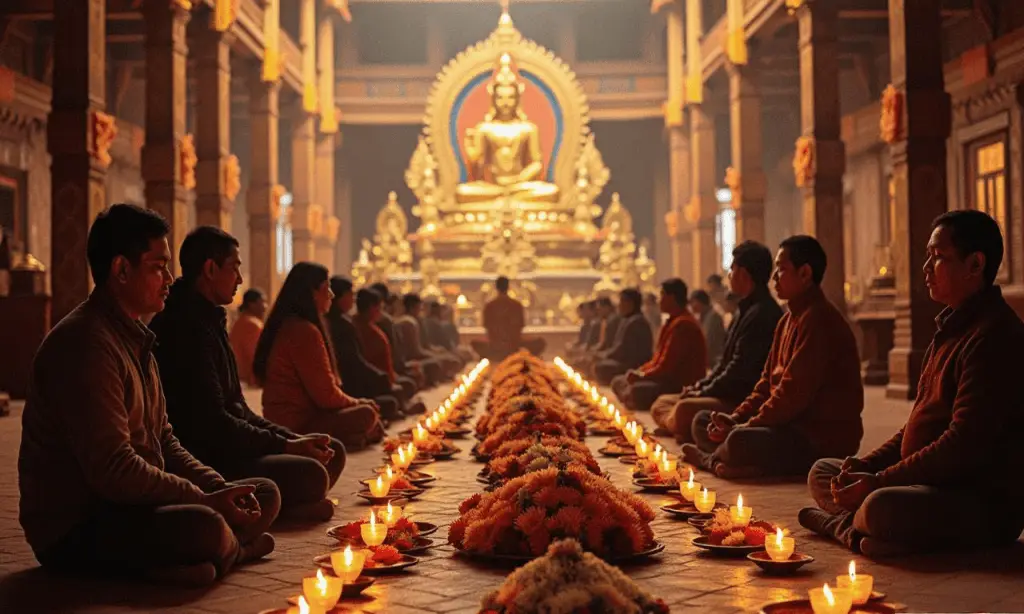
These temples are not just places for religious worship; they also serve as gathering spots for community events, traditional ceremonies, and cultural celebrations such as Dashain, Tihar, and Buddha Jayanti. For many Nepalese immigrants, visiting these temples is a way to stay connected to their roots while navigating life in a foreign land.
While Nepali temples are not as widely recognized as other religious landmarks in the city, a few hidden shrines and community centers offer an authentic experience of Himalayan spirituality. Here are some notable ones:
Located in the borough of Queens, this temple is one of the most significant Hindu places of worship for the Nepali community. Dedicated to Lord Shiva, the temple is adorned with traditional Nepali architecture, featuring intricate woodwork and sacred statues. Devotees gather here to offer prayers, participate in rituals, and celebrate major Hindu festivals.
On Mondays, a special Rudra Abhishek ceremony takes place, drawing worshippers who believe in the divine blessings of Lord Shiva. The temple also serves as a spiritual hub where Nepalese immigrants find solace, seek guidance, and connect with fellow community members.
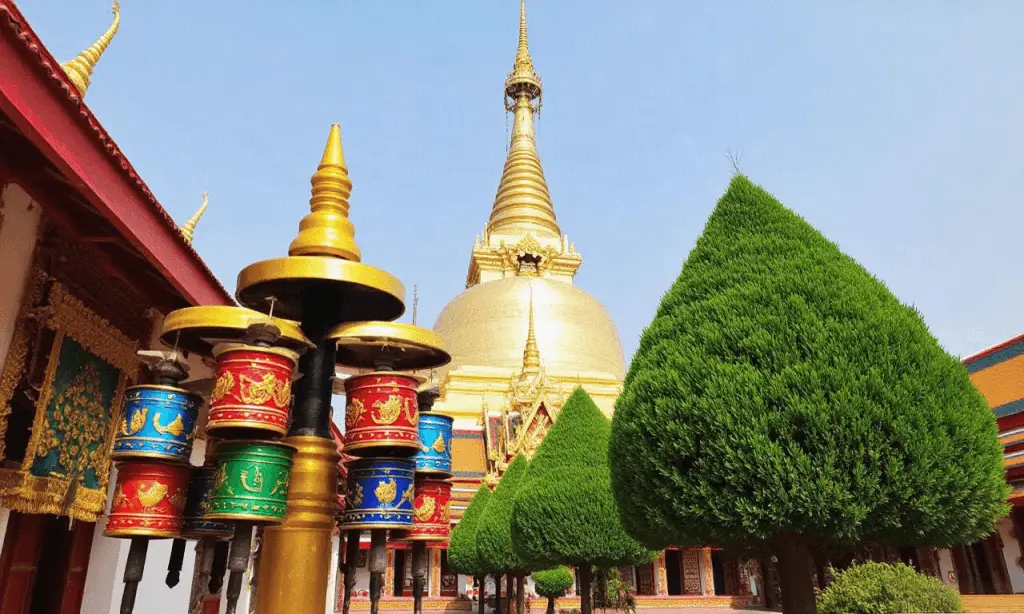
For followers of Buddhism, the Vajrayana Buddhist stupa in the Bronx offers a peaceful retreat. This temple follows the Tibetan and Newari Buddhist traditions, reflecting the deep-rooted influence of Nepal’s Buddhist heritage. The stupa is surrounded by prayer wheels, which devotees spin while reciting mantras for peace and enlightenment.
Inside, monks conduct daily prayers, meditation sessions, and teachings on Buddhist philosophy. Visitors often describe the temple as a hidden sanctuary where they can escape the noise of the city and immerse themselves in spiritual practices.
Inspired by the iconic Pashupatinath Temple in Kathmandu, the Pashupatinath Cultural Center in New York serves as a spiritual and cultural home for the Nepali community. More than just a place of worship, the center organizes cultural events, language classes, and social gatherings, keeping Nepali traditions alive for future generations.
On weekends, the temple comes alive with devotional music, chanting, and religious discourses. During major Hindu festivals, the center becomes a focal point for grand celebrations, where families come together to honor their heritage.
Nepali temples in New York follow many of the same religious customs observed in Nepal. Here are some common practices:
Whether you are a member of the Nepali community or a curious visitor, visiting a Nepali temple in New York offers a unique experience. Here’s why you should consider exploring these hidden gems:
The existence of Nepali temples in New York highlights the resilience of immigrants in preserving their cultural and religious heritage. Despite being thousands of miles away from their homeland, Nepalese communities have successfully created spaces where their traditions continue to thrive.
Efforts are also being made to educate younger generations about their roots. Many temples offer Nepali language classes, cultural workshops, and dance performances to ensure that Nepali customs are passed down.
Additionally, these temples play a vital role in social support. They often organize fundraising events, disaster relief efforts for Nepal, and charity programs to assist those in need. In this way, they serve not just as religious institutions but also as pillars of the community.
Nepali temples in New York may not be as famous as other religious landmarks, but they hold immense cultural and spiritual significance. Whether you seek a place for worship, a peaceful retreat, or a deeper understanding of Nepalese traditions, these hidden Himalayan shrines offer an enriching experience.
Next time you find yourself in New York, take a moment to visit one of these temples. You may just discover a piece of Nepal’s rich heritage in the heart of the city.
This article is for informational purposes only. The descriptions of temples and cultural practices are based on available information and community observations. Visitors should check with the respective temple authorities for updated details on visiting hours, events, and participation guidelines.
Alexander
|
2025.04.07