
Pakistani Drivers in UAE: Why They Can’t Afford to Get Sick
The United Arab Emirates (UAE) is home to thousands of Pakistani drivers who work tirelessly to support their families back home. Whether they are taxi drivers, truck drivers, or private chauffeurs, these men play a crucial role in the country’s transportation sector. However, despite their hard work, many of them face a harsh reality—falling sick is simply not an option.
In this article, we will explore the challenges Pakistani drivers in the UAE face when it comes to healthcare, financial burdens, and the lack of job security that makes illness a serious threat to their livelihood.
The Harsh Financial Reality of Pakistani Drivers
Most Pakistani drivers in the UAE come from modest backgrounds, taking up driving jobs as a means to provide a better life for their families. They typically work long hours—often 12 to 16 hours a day—just to make ends meet. Their salaries, depending on the type of driving job, range between AED 2,000 to AED 4,000 per month ($545 to $1,090).
Out of this income, a significant portion is sent back home to support their families in Pakistan. Many also have to pay for their own accommodation, food, and other daily expenses in the UAE. With such a tight budget, saving money is often impossible.
This financial strain means that if a driver falls sick and cannot work, he immediately loses his income. Unlike office workers who might have paid sick leave, many drivers are paid based on the number of trips they complete. A single day off means losing an entire day’s earnings.
No Sick Days, No Pay
For many Pakistani drivers in the UAE, taking a sick day is not a luxury they can afford. The transportation industry is highly competitive, and most drivers work on a commission basis. This means they only get paid for the trips they complete.
If a driver is too unwell to work, he will not earn money that day. A week off due to illness can mean the difference between paying rent or being left without a place to stay.
Many drivers force themselves to work even when they are unwell, just to avoid financial disaster. This not only affects their health but also puts passengers and other road users at risk.
The High Cost of Healthcare in the UAE
Healthcare in the UAE is known for its high quality, but it is also expensive. While some companies provide basic health insurance, many Pakistani drivers have only minimal coverage or none at all.
Private medical consultations can cost anywhere from AED 150 to AED 500 ($40 to $135), and emergency treatment can be even more expensive. For someone earning AED 2,500 a month, spending AED 300 on a doctor’s visit is a significant financial setback.
Some drivers avoid seeking medical help altogether, relying on home remedies or over-the-counter medicines instead. Others wait until their condition worsens before visiting a hospital, which can lead to more serious complications and higher medical bills.
Job Insecurity Makes Illness Even More Dangerous
Many Pakistani drivers in the UAE are employed on contracts that offer little job security. If they fall sick for an extended period, they risk being fired and sent back to Pakistan.
Employers expect drivers to be available at all times. If a driver becomes too ill to work for several weeks, the employer may choose to replace him with someone else rather than wait for him to recover.
For those working as freelance drivers or on commission, the situation is even worse. Since they are not formally employed by a company, they have no legal protection or benefits. If they cannot work, they earn nothing.
Crowded Living Conditions Increase the Risk of Illness
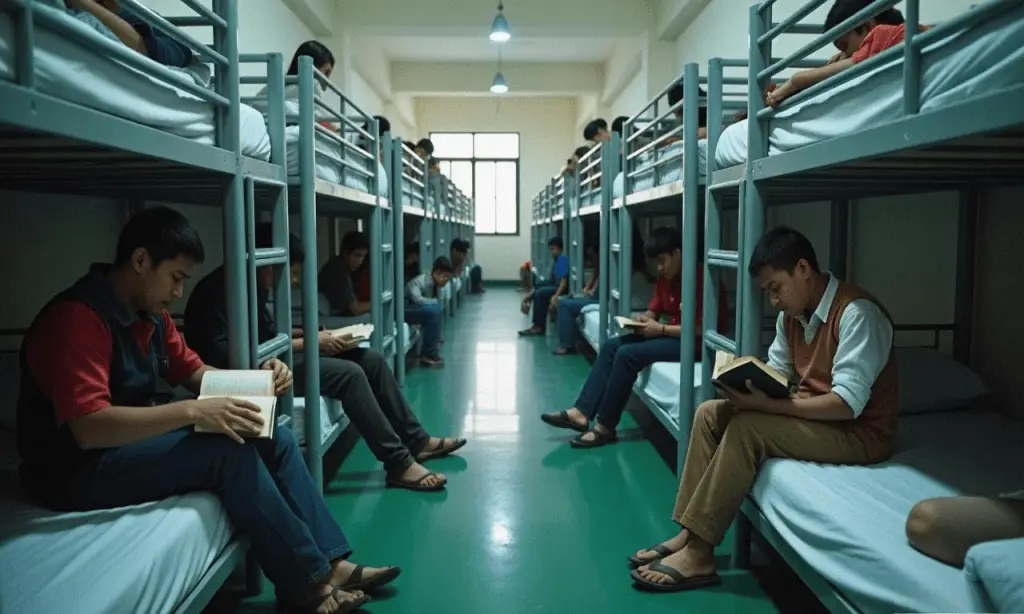
Most Pakistani drivers in the UAE live in shared accommodations, sometimes with 6 to 10 men in a single room. This close living arrangement makes it easy for illnesses to spread.
If one driver gets the flu, it can quickly affect everyone else in the apartment. Since none of them can afford to take time off, they continue working while sick, worsening their condition and potentially infecting passengers.
In addition, poor ventilation and lack of hygiene in overcrowded housing increase the risk of respiratory infections and other diseases.
Limited Access to Healthy Food and Rest
A healthy lifestyle can help prevent illnesses, but for many drivers, maintaining good health is difficult due to their work schedules and limited budgets.
- Unhealthy Diets: Many drivers rely on cheap, fast food because it is affordable and convenient. However, these meals are often high in fat and low in nutrients, leading to health issues like obesity, diabetes, and high blood pressure.
- Lack of Sleep: With long working hours, most drivers get little rest. Sleep deprivation weakens the immune system, making them more susceptible to illnesses.
- Dehydration and Heat Exposure: During the summer, temperatures in the UAE can reach over 45°C (113°F). Many drivers work long hours in the heat, leading to dehydration, fatigue, and heat-related illnesses.

What Can Be Done?
While the situation is difficult, there are some steps that can be taken to improve the lives of Pakistani drivers in the UAE:
- Better Health Insurance – Employers should provide comprehensive health insurance to ensure drivers can afford medical treatment when needed.
- More Awareness About Workers’ Rights – Many drivers are unaware of their legal rights regarding healthcare and working conditions. Educational programs can help them understand their options.
- Affordable Healthcare Options – The government or private organizations can introduce low-cost clinics specifically for low-income workers.
- Better Living Conditions – Improving accommodation facilities for drivers can help prevent the spread of illnesses.
- Health and Wellness Programs – Employers can promote better eating habits and encourage drivers to take short breaks to rest and hydrate.
Conclusion
Pakistani drivers in the UAE work hard to support their families, but their lives are filled with financial and health-related challenges. Falling sick is not just a minor inconvenience—it can lead to job loss, financial crisis, and long-term health problems.
While solutions such as better healthcare access and improved working conditions can help, many drivers continue to struggle daily. Until systemic changes are made, they will continue to push through illness, simply because they cannot afford not to.
Disclaimer:
This article is for informational purposes only and does not provide legal or medical advice. The challenges mentioned may vary based on individual circumstances. If you are a driver in need of healthcare support, please consult a licensed professional or contact relevant authorities in the UAE.


